
If your garage has turned into a dumping ground for half-used paint cans, loose screws and tools you can never find, a good garage storage cabinet is usually the fastest way to fix it. The right cabinet does more than hide clutter — it protects tools from moisture and dust, keeps hazardous chemicals away from kids and pets, and makes your garage usable for actual projects again.
SaveItMore is reader-supported. If you buy through a link on this page we may earn a commission, at no extra cost to you.
Before you add one to your cart, though, it helps to know what separates a cabinet that lasts fifteen years from one that sags and rusts within two. This guide walks through the types available, the materials worth paying for, how to measure your space correctly, and where to look for a discount before you check out.
Why Garage Storage Matters More Than You Think
A garage without organized storage quietly costs you time and money. Tools get lost and re-bought, paint and chemicals degrade faster when left in direct heat or cold, and bikes, seasonal gear and sports equipment pile up in ways that make the space unsafe to walk through. A dedicated garage storage cabinet solves most of this in one purchase, because it gives every category of item — hand tools, hardware, chemicals, seasonal items — a fixed, closed-door home.
There’s also a resale angle worth mentioning: an organized, cabinet-lined garage photographs well and shows better to buyers than a cluttered one, which matters if you ever list your home.
Garage Storage Cabinet Types Explained
Not every cabinet style suits every garage. Here’s how the main categories differ.
Wall-Mounted Cabinets
These hang above workbenches or along empty wall space and are ideal for lightweight items — small parts bins, spray cans, cleaning supplies. Because they’re off the floor, they free up space for a car, bikes or a workbench underneath, and they keep items out of reach of small children.
Floor or Base Cabinets
Base cabinets sit directly on the garage floor and can handle far more weight than wall units, making them the right choice for power tools, generators, large containers of fluid, and anything heavy enough to need a sturdy platform. Many double as a work surface when topped with a butcher-block or steel top.
Rolling Workbench Cabinets
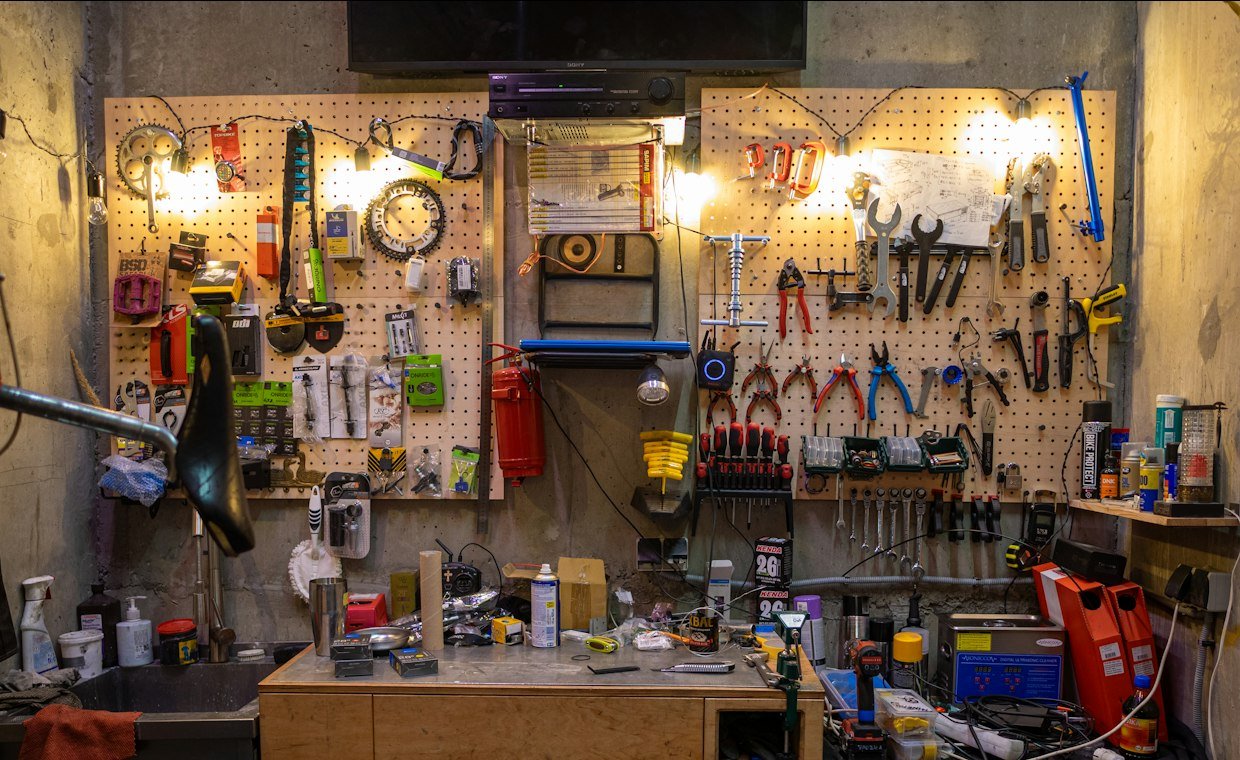
A rolling cabinet combines drawer storage with locking caster wheels, so you can wheel your whole toolkit to wherever you’re working — useful in larger garages, shared workshop spaces, or if you ever work outside the garage on the driveway.
Tall Lockers and Utility Cabinets
Tall, narrow lockers are built for long-handled items: rakes, shovels, ladders, and sports gear like hockey sticks or fishing rods. They take up very little floor footprint relative to the storage they provide.
Material and Build Quality: What to Check Before You Buy
Garages are hard on furniture — temperature swings, humidity and the occasional bump from a car door all take a toll. A few checks before you buy:
- Steel gauge: Thicker (lower-number) steel resists dents and sags less under heavy loads. Cheap cabinets often use thin sheet metal that bows over time.
- Coating: Powder-coated steel resists rust and scratches far better than painted steel, especially in garages without climate control.
- Drawer slides: Full-extension ball-bearing slides let you access the back of a drawer without it jamming halfway, and they hold up to repeated daily use.
- Weight capacity: Check the manufacturer’s stated capacity per shelf and per drawer, not just the total for the unit.
- Assembly: Welded frames are generally more rigid than bolt-together kits, though bolt-together units are easier to move if you relocate.
Size and Layout: Measuring Your Garage Correctly
Measure twice before you order. Account for door swing — a cabinet with doors that open outward needs clearance in front of it, not just beside it. Leave at least a few inches between the cabinet and your car’s door arc, and check the ceiling height if you’re considering a tall locker, since garage door tracks and openers often hang lower than you’d expect near the front of the garage.
If you’re short on floor space, combining wall-mounted units with one base cabinet is usually more efficient than one giant floor unit, since it keeps your centre floor space open for parking or projects.
Drawers, Shelves and Locking Mechanisms
Adjustable shelving matters more than most buyers expect — being able to move a shelf up or down a few inches to fit a tall toolbox or a short stack of paint cans makes a cabinet far more useful long-term. For anything containing chemicals, fuel additives or items you’d rather keep away from kids, look for cabinets with a working key lock or at least a secure latch, not just a magnetic door catch.
Where to Find Deals on Garage Storage Cabinets
Garage storage cabinets aren’t cheap, especially the heavy-gauge steel options built to last. Brands like Chery Industrial sell a wide range of workbenches, rolling tool cabinets and storage shelters, and it’s worth checking our Chery Industrial coupon codes page before you check out, since current promo codes can bring a meaningful discount off list price. It’s also worth comparing a few retailers rather than buying the first cabinet you see, since the same basic cabinet design is often sold under multiple brand names at different price points.
If you’re furnishing more of the garage at once, our GARVEE furniture buying guide covers a similar range of garage and outdoor furniture pieces worth comparing, and our breakdown of whether GARVEE is a legit brand is useful if you’re weighing it against Chery Industrial for the same purchase.
Common Mistakes People Make When Buying Garage Storage
- Buying on looks alone: A cabinet that looks great in a product photo can still have thin steel and weak slides. Check the actual gauge and weight ratings, not just the finish.
- Ignoring ventilation: Cabinets storing chemicals or fuel should allow some airflow; a fully sealed cabinet can trap fumes.
- Underestimating weight: A fully loaded tool drawer is heavier than people expect. Undersized cabinets can tip forward if not anchored, especially with top-heavy loads.
- Skipping the anchor kit: Many tall cabinets ship with wall-anchor hardware for a reason. Skipping this step is a real tip-over risk, particularly in homes with kids.
If you’re also organizing long-term storage for seasonal items rather than daily-use tools, our shipping container shelter buying guide is worth a look as a larger-scale alternative to indoor cabinets.
Frequently Asked Questions
What’s the best material for a garage storage cabinet?
Powder-coated steel is generally the best balance of durability and cost for most garages, since it resists rust, dents and daily wear better than painted steel or plastic. Plastic resin cabinets are lighter and cheaper but suit lighter loads and milder climates better than heavy tool storage.
How much weight can a typical garage storage cabinet hold?
It varies widely by model, but most mid-range steel base cabinets are rated for 100 to 300 lbs per shelf, while heavier-duty workbench cabinets can handle more. Always check the manufacturer’s per-shelf rating rather than assuming the whole unit’s rating applies evenly.
Should I buy wall-mounted or floor cabinets first?
If floor space is tight, start with wall-mounted cabinets for lighter items, then add one floor cabinet for heavier tools once you know how much clearance you actually have left.
Do garage cabinets need to be bolted to the wall?
Tall or top-heavy cabinets should be anchored, especially in households with children, to prevent tipping. Most manufacturers include anchor hardware specifically for this reason.
Is it worth waiting for a sale before buying a garage storage cabinet?
Given how expensive heavy-duty steel cabinets can be, it’s almost always worth checking for an active discount code first. A current coupon can cover a meaningful part of the cost on a single order.